



First chronicler: PERO VAZ CAMINHA
The discovery
We continued our long journey across the sea
Until the 8th day of Easter
We encountered birds
And caught sight of land
Savages
They showed them a chicken
They were almost frightened of it
And did not want to touch it
And later they grabbed it, almost frightened
Young girls
There were three or four child-like girls
With jet black hair to their shoulders
And their bare privates were very pleasing
And we happily ogled
Shamelessly
Second chronicler: GANDAVO
Hospitality
Because this is how the very earth is
Favourable to those who seek it
Inviting and hosting all
Chorography
It is harp-shaped
Bordering on the high lands of the Andes
And on the foothills of Peru
Many of which stand superbly high above the earth
It is said that birds cross them with difficulty
Health
That state of health and freedom from infirmity
Comes from the crossing winds
Which all come from the sea
Reaching us clean and vaporous
And not only they do no harm
But create and nurture human life
Hydrography
The wells of its earth are infinite
Waters make water grow
And many rivers flow from these
From the North and from the East
To enter the ocean’s sea
Gold Country
Everyone finds a living
No poverty knocks at the door
To beg in this this Realm
Still Life
These fruits are called pineapple
When mature they have a delicate odour
To season the talhada[1] it is grated
This is how they eat it
And the inhabitants do more for this fruit
Holding it in greater esteem
Than any other fruit of the earth
Natural Riches
Many metals cucumbers pomegranates and figs
Of countless varieties
Citron fruits lemons and oranges
An infinity
Much sugar cane
And also cotton
In these possessions of ours
There is much pàu brasil[2]
Celebration of a people
A very special animal is found in these parts
It is called Preguiça [Laziness][3]
It has a large mop of hair on its nape
And it moves with a slow pace
So slow that if it walked for two weeks
It would not travel the distance of a thrown stone
Third chronicler: THE CAPUCHIN OF ABBEVILLE
Fashion
The women do not have pierced lips
But on the other hand
They have pierced ears
That they hold in high regard
With round wooden plugs in the holes
Just like women from here
With their large pearls and rich diamonds
The Village
There is a well
Right in the middle
Particularly beautiful
And bountiful
With clear bubbling water
From there it flows
And ripples into the sea
Surrounded on all sides
By palms guavas and myrtles
Hiding in their fronds
Barbary apes and macaques
Fourth chronicler: FRIAR VICENTE DO SALVADOR
Countryside
They cultivate palms with huge coconuts
Mainly in sight of the sea
The Birds
There are eagles of the bush
And female ostriches as big as those of Africa
Sometimes white and then others
With black marks on their wing feathers
Visible when outstretched
Like a Latin sail
They run with the wind
Enemy Love
Some women
For the love they feel
Even free their captives
And start wandering along the lands
Prosperity of Sao Paolo
This county town
Is guarded by four camps of friendly natives
That the Fathers of the congregation convert
And outside many more
Who come every day from the bush
Fifth chronicler: FERNAO DIAS PAES
Tickets
I will depart
Another forty white men and me
And my son
And four of my troops
Men who pay with lead and gunpowder
Remember Your Lordship
That this discovery
Merits consideration for its wealth
Even in emeralds
Sixth chronicler: FRA MANOEL CALADO
Terrestrial paradise
The women go wild
They are expensive
And not content only with taffeta
And the many jewels that adorn
Their heads and necks
Dripping with pearls rubies and diamonds
Everything ends in delight
And this land seems
The portrait of a terrestrial paradise
Last chronicler: THE TRANSLATOR
(Giuseppe Ungaretti)
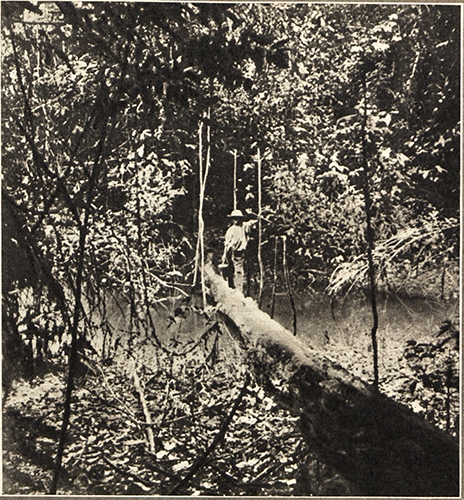
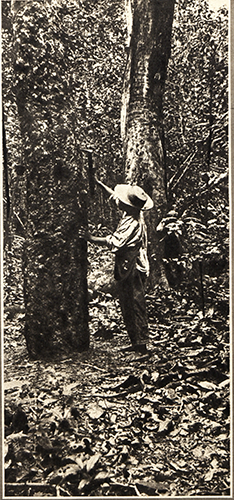
Rubber plantations
Like all across the Mato Grosso
The angico abounds
Some clumps of Indian soap tree too
The libaró of Guaraní
And here and there, copses of rubber trees
A tall and straight-trunked tree
With its ambiguous bark
Dear to the Cambeba people
It bears a shining cupola
That they see from afar
Its dense leaves in groups of three
But too green
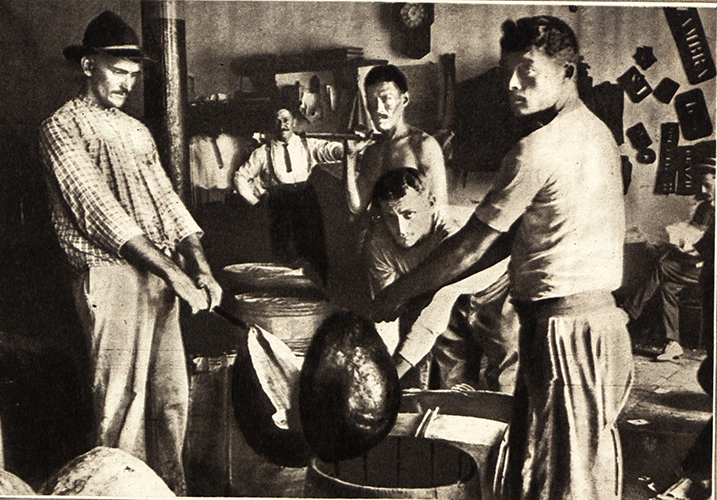
With its rubber
Those natives make bottles and water-skins
In archaic forms
The Portuguese call
That tall plant seringueira
And seringa is the rubber
And he who extracts it the seringueiro
And the strange little wood is the seringal
Extraordinary and truly beautiful
OSWALD DE ANDRADE
The dismissal
Things are
Things come
Things go
Things
Come and go
But not in vain
The hours
Come and go
But not in vain
[1] Talhada: cassava flour pie.
[2] Brasil: a leguminous plant (Caesalpinia echinata). As this tree is abundant in coastal forests and gives us pào-brasil (Brazil wood), a dye plant that was the main export of the 16th century, it gave its name to the Santa Cruz land.
[3] Preguiça: the sloth.